What Is Supraventricular Tachycardia?
Supraventricular tachycardia (SVT) is a fast heart rhythm that starts in the upper chambers of the heart. Usually, the heart beats between 60 and 100 times per minute. However, with SVT, the heart can beat much faster, sometimes over 150 beats per minute. Because of this, people may feel their heart racing or pounding. Although SVT is not always dangerous, it can cause discomfort and worry. For many, understanding SVT helps reduce fear and guides them to seek proper care.
Common Symptoms of Supraventricular Tachycardia
SVT symptoms can appear suddenly and may last for a few seconds or several hours. Sometimes, symptoms stop on their own. However, they can also return without warning. Common signs include:
In some cases, people may not notice any symptoms. Yet, if you feel any of these signs, it is important to pay attention and seek advice.
Causes and Risk Factors
SVT happens when the heart’s electrical system does not work as it should. Because of this, signals travel in a loop, making the heart beat too fast. Several factors can trigger or increase the risk of SVT, such as:
Sometimes, SVT runs in families. However, it can also happen in people with no known risk factors.
How Is Supraventricular Tachycardia Diagnosed?
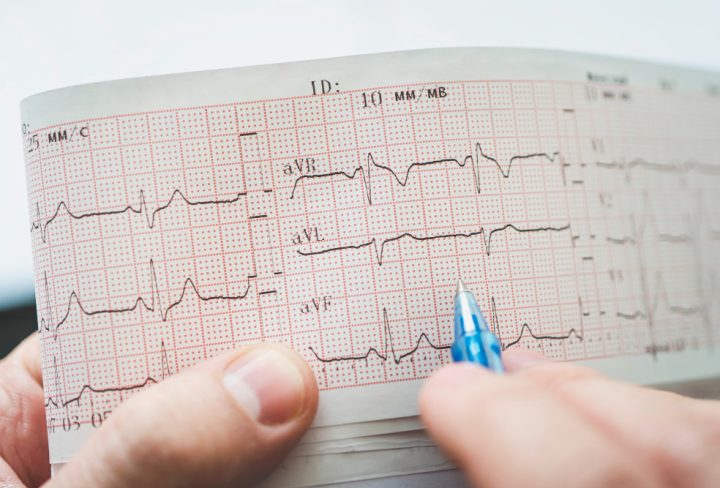
Doctors use several tests to find out if you have SVT. First, they will ask about your symptoms and medical history. Next, they may check your heart with an electrocardiogram (ECG or EKG). This test records your heart’s electrical activity. If SVT does not show up during the visit, your doctor may suggest a portable monitor. For example, a Holter monitor records your heart rhythm over 24 to 48 hours. Sometimes, doctors use an event recorder for longer periods. In rare cases, more tests like an echocardiogram or an electrophysiology study may be needed.
Treatment Options for Supraventricular Tachycardia
There are many ways to treat SVT. The best option depends on your symptoms, age, and overall health. Some people only need treatment if episodes happen often or cause problems. Common treatments include:
Because each person is different, your doctor will help choose the right treatment for you.
Prevention Tips and Lifestyle Guidance
While not all SVT episodes can be prevented, some steps may help reduce your risk. For example, you can:
Additionally, knowing your triggers can help you avoid them. If you notice certain foods, drinks, or activities bring on SVT, try to limit or avoid them.
When Should You Seek Medical Help?
Most SVT episodes are not life-threatening. However, you should seek medical help if:
Because SVT can sometimes be confused with other heart problems, it is always best to get checked by a doctor.
Conclusion
Supraventricular tachycardia can be scary, but it is often treatable. With the right care and lifestyle changes, most people can manage their symptoms well. If you think you have SVT or have questions about your heart health, consult a cardiologist for personalized advice on supraventricular tachycardia.