What is IBS?
IBS, or irritable bowel syndrome, is a common condition that affects the digestive system. Many people experience stomach pain, bloating, and changes in bowel habits. Although IBS is not life-threatening, it can affect daily life. In fact, the IBS gut-brain connection plays a key role in how symptoms appear and change over time.
The Gut-Brain Connection Explained
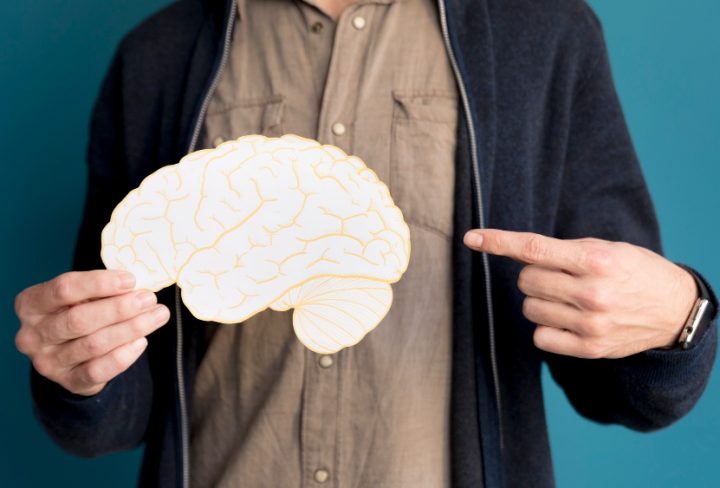
Our gut and brain are closely linked. This link is called the “gut-brain axis.” Nerves, hormones, and chemicals help the gut and brain talk to each other. For example, stress or worry can make IBS symptoms worse. On the other hand, gut problems can affect mood and mental health. Understanding the IBS gut-brain connection helps explain why symptoms can change with stress or emotions.
Symptoms of IBS
IBS symptoms can vary from person to person. However, some common signs include:
Sometimes, symptoms get worse after eating certain foods or during stressful times. But, not everyone with IBS has all these symptoms.
Causes and Risk Factors
The exact cause of IBS is not clear. Still, several factors may play a role. These include:
For some people, IBS starts after a stomach infection. Others may notice symptoms after a stressful event. According to the CDC, IBS is more common in women and people under 50.
Diagnosis of IBS
Doctors diagnose IBS based on symptoms and medical history. There is no single test for IBS. However, your doctor may:
Often, doctors use guidelines called the Rome IV criteria to help diagnose IBS. These guidelines focus on how often symptoms occur and how long they last.
Treatment and Management Options
There is no cure for IBS, but many people manage symptoms with lifestyle changes and treatment. Options include:
Some people find relief by avoiding trigger foods. Others benefit from counseling or therapy, especially if stress makes symptoms worse. For those seeking IBS treatment in their area, local clinics and specialists can help create a plan.
Lifestyle Tips for IBS
Simple changes can make a big difference in managing IBS naturally. For example, you can:
Additionally, talking to others with IBS can provide support and new ideas for coping.
Prevention and When to See a Doctor
While you cannot always prevent IBS, you can lower your risk by managing stress and eating a healthy diet. If you notice new or severe symptoms, see a doctor. You should also seek help if you have:
Early care can help rule out other conditions and start the right treatment.
In summary, understanding the IBS gut-brain connection can help you manage symptoms and improve your quality of life. Consult a healthcare professional for personalized advice on IBS.