Introduction
Cholesterol is a type of fat found in your blood. Your body needs some cholesterol to work well. However, too much can harm your health. When you control your cholesterol levels, you help protect your heart. In this blog, you will learn what cholesterol is, why it matters, and how to manage it. We will also share cholesterol management tips and ways to lower cholesterol naturally.
What is Cholesterol?
Cholesterol is a waxy, fat-like substance. Your liver makes most of it, but you also get some from food. There are two main types:
For a healthy heart, you need more HDL and less LDL. Keeping your cholesterol in balance is key.
Why Controlling Cholesterol Matters
High cholesterol can cause serious health problems. For example, it can lead to blocked blood vessels. This makes it harder for blood to reach your heart and brain. As a result, you may face a higher risk of heart attack or stroke. According to the CDC, heart disease is a leading cause of death worldwide. Therefore, controlling cholesterol is important for a healthy heart and longer life.
Symptoms of High Cholesterol
Usually, high cholesterol does not cause any symptoms. Many people do not know they have it. However, over time, it can lead to problems like chest pain or heart attack. Because there are no clear signs, regular testing is important. Early detection helps you take action before problems start.
Causes and Risk Factors
Several things can raise your cholesterol levels. Some you can control, while others you cannot. Common causes and risk factors include:
Even though you cannot change your age or family history, you can make healthy choices to lower your risk.
How to Diagnose High Cholesterol
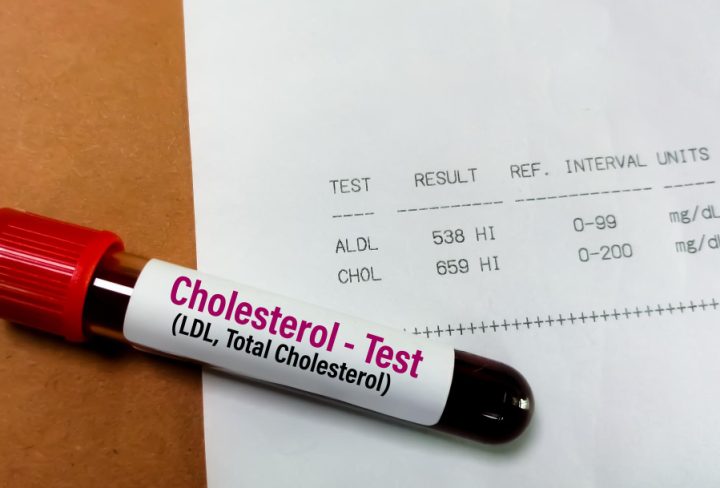
Doctors use a simple blood test called a lipid panel to check your cholesterol. This test measures your total cholesterol, LDL, HDL, and triglycerides. You may need to fast for several hours before the test. Adults should check their cholesterol every 4 to 6 years. However, if you have risk factors, your doctor may suggest more frequent checks. Early diagnosis helps you start cholesterol management tips sooner.
Proven Ways to Control Your Cholesterol Levels
There are many ways to lower cholesterol naturally and keep your heart healthy. Try these proven strategies:
With these steps, you can manage your cholesterol and protect your heart.
Prevention Tips and Daily Habits
Everyday choices make a big difference. Here are some daily habits for healthy cholesterol levels:
By following these cholesterol control tips, you can lower your risk of heart problems and enjoy better health.
Conclusion
In summary, high cholesterol can be managed with simple lifestyle changes. Eating well, staying active, and regular check-ups are key. For best results, talk to your doctor about your personal risk. Consult a cardiologist for personalized cholesterol management advice.