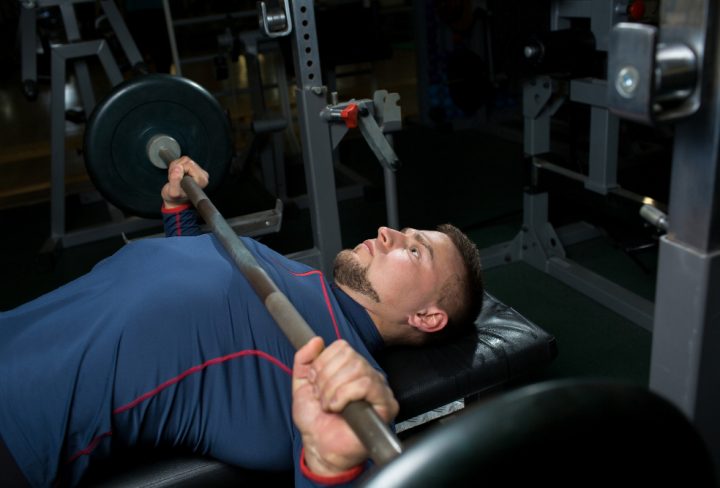
Sudden gym deaths are rare but serious events where a person collapses and dies unexpectedly during or after exercise. While most people benefit from regular workouts, it is important to know the risks. Understanding sudden gym deaths can help you stay safe and protect your heart health. This blog explains what sudden gym deaths are, their causes, warning signs, and how to prevent them.
What Are Sudden Gym Deaths?
Sudden gym deaths refer to unexpected deaths that happen during or soon after exercise at a gym. Usually, these deaths are linked to heart problems. Although they are uncommon, they can affect people of any age. However, adults over 35 and those with hidden heart issues are at higher risk. Because exercise puts extra strain on the heart, it can sometimes reveal problems that were not known before. Therefore, knowing about this risk is important for everyone who works out.
Common Causes
Most sudden gym deaths are related to heart conditions. Some of these conditions may not show symptoms until a serious event occurs. Here are the most common causes:
Warning Signs and Symptoms
It is important to watch for warning signs before or during exercise. If you notice any of these, stop exercising and seek help:
Diagnosis and Risk Assessment
Before starting a new workout program, it is wise to assess your heart health. Here are some steps you can take:
In some countries, gyms may offer health screenings or require a doctor’s note for high-intensity classes. Always check local guidelines and gym policies.
Prevention Tips
While sudden gym deaths are rare, you can lower your risk by following these tips:
What to Do in an Emergency
If someone collapses at the gym, quick action can save a life. Here is what you should do:
Many gyms have staff trained in CPR and AED use. However, learning these skills yourself can be very helpful.
Frequently Asked Questions
Are sudden gym deaths common?
No, sudden gym deaths are rare. According to the American Heart Association, the risk is low, especially for healthy people. But, it is still important to be aware of the warning signs.
Who is most at risk for exercise-related cardiac arrest?
People with undiagnosed heart conditions, those over 35, and anyone with a family history of heart disease are at higher risk. However, young athletes with certain heart problems can also be affected.
Can I exercise safely if I have a heart condition?
Yes, but you should talk to your cardiologist first. They can help you choose safe activities and set limits that protect your heart.
Conclusion
Sudden gym deaths are rare but can happen to anyone, especially those with hidden heart problems. Knowing the causes, warning signs, and prevention tips can help you stay safe. Always listen to your body and seek medical advice if you have concerns. Remember, regular exercise is good for your heart when done safely.
Consult a cardiologist before starting any intense workout program for personalized guidance.